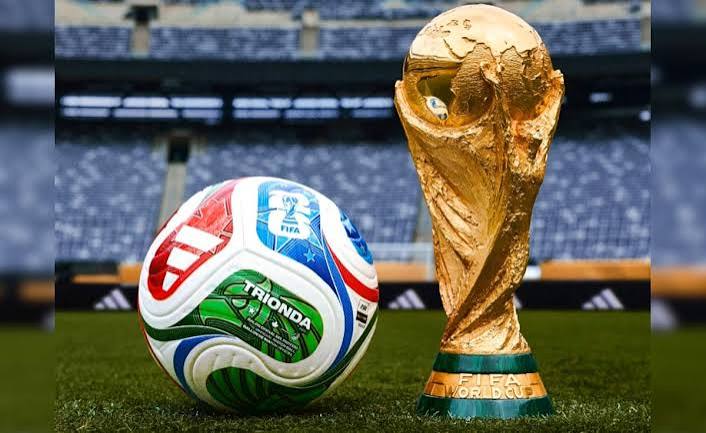
NEW YORK – The world has officially turned its eyes toward North America. As the calendar flips to July, the 2026 FIFA World Cup—the largest and most ambitious in the tournament’s history—has transitioned from the chaotic energy of the group stages to the high-stakes drama of the knockout rounds.
With 48 teams competing for the first time, this edition of the World Cup has already rewritten the record books. From the high altitudes of Mexico City to the coastal breeze of Vancouver and the humid summer heat of Miami, the “United” bid has delivered a global spectacle that has exceeded even the loftiest expectations.
A Tournament of Surprises
If the group stages proved anything, it is that the gap in global football is closing. The expanded format, which initially drew criticism for potentially diluting the quality of play, has instead provided a platform for “Cinderella stories.”
Fans witnessed historic upsets as emerging nations from the AFC and CAF regions stunned traditional European and South American powerhouses. The emotional scenes in Casablanca and Seoul following their teams’ progression underscore the true meaning of a “World” Cup. However, as we enter the Round of 16 and move toward the Quarter-finals, the heavyweights are beginning to flex their muscles.
Stars Shining Bright
Individual brilliance has defined the tournament so far. Kylian Mbappé continues to hunt for legendary status, leading the Golden Boot race with clinical finishes that have silenced stadiums. Meanwhile, the emergence of the “Next Gen” stars—teenagers from Brazil, Spain, and the United States—has signaled a changing of the guard in the footballing hierarchy.
For the home fans, the journey of the USMNT, Mexico, and Canada has electrified local communities. The “home-field advantage” has been palpable, with record-breaking television viewership and fan festivals in cities like Dallas and Toronto drawing hundreds of thousands of supporters.
Logistics and Atmosphere
Hosting a tournament across three massive nations was always going to be a logistical mountain to climb. Yet, the infrastructure has largely held firm. The use of high-tech “smart stadiums” and a seamless travel network for teams has ensured that the focus remains on the pitch.
“The atmosphere is unlike anything I’ve ever experienced,” said Marco Rossi, a traveling supporter from Italy. “One day you are eating tacos at the Azteca, and a few days later you are in the middle of Times Square surrounded by fans from five different continents. This is the true spirit of the game.”
The Road to MetLife
As the field narrows, the tension is reaching a breaking point. Every tackle, every VAR decision, and every penalty shootout is magnified by the weight of national expectation.
The path to the final at MetLife Stadium in East Rutherford, New Jersey, on July 19 is now clear. Will a traditional titan reclaim the throne, or will 2026 be the year a new nation carves its name onto the iconic gold trophy?
One thing is certain: the “Beautiful Game” has never felt more alive. As the sun sets on the Round of 16, the world waits with bated breath to see who will survive the North American summer and achieve immortality.